Skip to content

About Noteable

What Noteable is, who it serves, and why it exists.

Noteable is a clinical intelligence layer for allied health teams. It captures session detail by voice, structures notes against intervention plans and goals, tracks delivery fidelity across teams, and builds evidence-backed progress reports from the documentation clinicians are already creating.

Built for allied health teamsWorks beside Splose, Cliniko, and SimplePractice

Who it is for

Behaviour support and PBS teams
ABA therapy teams
Psychology practices
Occupational therapy teams
Speech pathology teams
Clinical leads, supervisors, and practice owners

What problem Noteable solves

Many allied health teams do not struggle because they lack notes. They struggle because session detail is captured late, intervention delivery is hard to compare across clinicians, and report evidence has to be reconstructed when someone needs proof.

Noteable addresses that gap by keeping the clinical record structured from the moment a session is captured. That gives supervisors clearer signal, gives teams a stronger handover record, and gives report writers source evidence that is already organised.
What makes it different

Generic AI scribes usually stop at generating a note. Practice management systems usually focus on scheduling, billing, and operational administration. Noteable sits in the middle and focuses on the clinical evidence layer those systems do not provide.

That means the product is designed around intervention plans, fidelity visibility, supervision signal, and evidence-backed progress reporting rather than a single-session transcript alone.

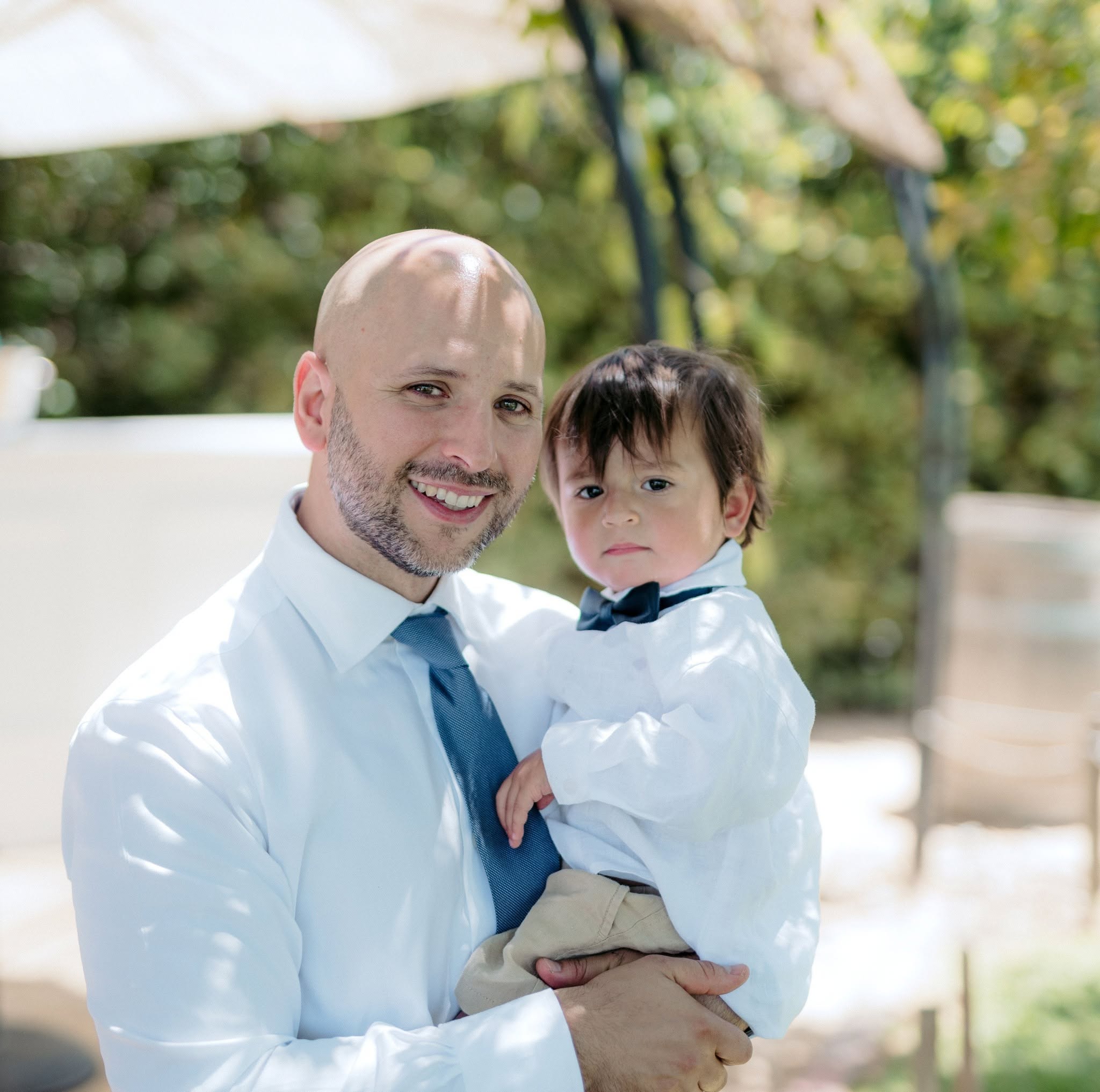
Matthew Giglio, founder of Noteable, in Adelaide, South Australia

Who built it and why

The founder story, in Matthew's own words, starts with one problem: good clinical work was being buried by late documentation.

I built Noteable after seeing the same pattern repeat: clinicians were taking documentation home with them, and the quality of the record was getting weaker the longer capture was delayed.

As a parent of a child receiving allied health services, I have also seen how much continuity depends on the record being clear, timely, and actually usable for the next clinician, not just technically completed.

That shaped a simple product principle for me: reduce friction for the people doing the work, then preserve the evidence trail so supervisors, report writers, and families are not paying for that friction later.

Capture while detail is fresh

Voice-first capture reduces late-night reconstruction and missing context.

Keep the plan connected

Notes stay structured around goals, interventions, and what was actually delivered.

Make proof usable later

The record remains useful for supervision, handover, and progress reporting.

Disciplines and team types

Noteable is designed for behaviour support, ABA therapy, psychology, occupational therapy, and speech pathology teams. It is especially relevant to services where supervisors, part-time staff, and multiple clinicians all need access to the same evidence trail.

Global allied health context

Noteable is built for allied health teams where defensible documentation, consistent intervention delivery, and evidence-linked reporting matter in practice and during review. The product language, workflow assumptions, and reporting focus are grounded in how clinical teams actually work.

How it fits your stack

Noteable does not replace the practice management system your team already depends on. Teams usually keep practice operations in Splose, Cliniko, or SimplePractice, then use Noteable for session capture, clinical visibility, and reporting evidence.

How Noteable compares

Compare Noteable with the tools teams already use.

If you are deciding between Noteable and an AI scribe, a practice management platform, or manual spreadsheet tracking, the comparison pages explain where each option fits.

Ready to see it?

Diagnose the documentation exposure before the next review meeting does.

Take the free team report to quantify where delivery is drifting, where the evidence layer is thin, and which single documentation fix should come first.

8 scored questionsAbout 2 minutesInstant baseline scoreTailored action plan by email